





Pride Month is a global observance held every June, dedicated to honouring LGBTQ+ (lesbian, gay, bisexual, transgender, queer, and other queer identities) and advocating for their rights. It’s a time for reflection, education, and joyous celebration of the progress made and the work still to be done for true equality.
History of Pride Month
The history of Pride Month is deeply rooted in the struggle for LGBT rights, evolving from acts of defiance into a worldwide phenomenon. Understanding its origins helps us appreciate the significance of the advocacies we see today.
The Origins of Pride Month
The origins of Pride Month are inextricably linked to the Stonewall Riots, a pivotal moment in LGBTQ+ history that occurred on June 28, 1969. This spontaneous uprising at the Stonewall Inn, a gay bar in New York City’s Greenwich Village, ignited the modern gay liberation movement.
The Stonewall Uprising of June 1969 catalysed gay rights activism, fundamentally altering the trajectory of the LGBTQ+ movement. Prior to this event, resistance was often fragmented, but the courageous acts at the Stonewall Inn on Christopher Street galvanised the community.
The anniversary of the 1969 Stonewall Riots became the impetus for future demonstrations and the eventual establishment of what is now Pride Month.
What Makes Pride Month Important
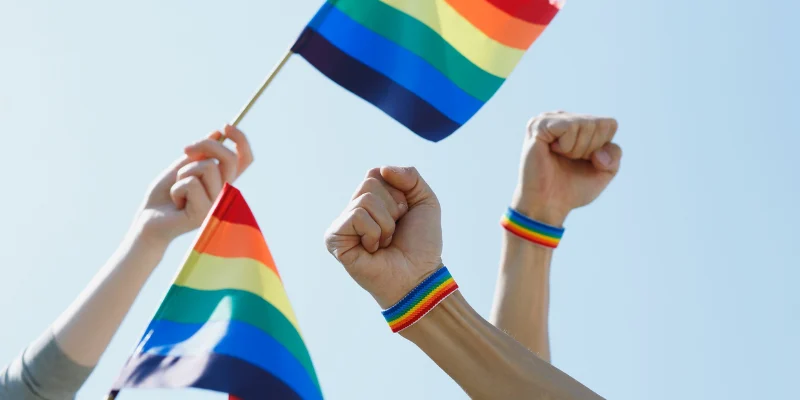
Pride Month is not merely a celebration with a rainbow flag; it serves several crucial functions for the LGBTQ+ community and society at large. Its importance extends beyond festivities, touching on vital aspects of awareness, identity, and mental wellbeing.
Raising Awareness and Visibility
Pride is celebrated to raise awareness and visibility for the LGBTQ+ community, bringing their stories, struggles, and triumphs into public consciousness. The various events provide platforms for advocacy, education, and open dialogue about issues affecting them. This increased visibility helps to normalise LGBTQ+ identities and challenge stereotypes.
Through these events, Pride Month sheds light on the ongoing fight for equality and justice, reminding society that despite progress, discrimination and prejudice persist. It underscores the importance of continued activism and support for LGBTQ+ rights, ensuring that the voices of the community are heard.
Celebrating LGBTQ Identity and Culture
Pride Month is crucial for celebrating LGBTQ+ identity and culture, offering a dedicated space for individuals to express themselves freely and proudly. It provides an affirming environment where lesbian, gay, bisexual, transgender, and queer people can celebrate who they are without fear of judgment. This collective support helps to strengthen a sense of community and belonging, which is vital for many who may feel marginalised in everyday life.
The various events during Pride Month highlight the rich diversity within the LGBTQ+ community, celebrating its unique contributions to art, history, and society. It’s a time to honour the resilience, creativity, and strength of LGBTQ+ individuals, fostering self-acceptance and encouraging them to live authentically. This recognition of identity is fundamental to personal wellbeing and joint empowerment.
Impact on Mental Health and Wellbeing
The impact of Pride Month on mental health and wellbeing within the LGBTQ+ community is profound and multifaceted. For many of them, living in a heteronormative society can lead to significant stress, anxiety, and depression due to stigma, discrimination, and the pressure to conceal their true identities. Pride Month offers a much-needed period of affirmation and validation.
Participating in Pride celebrations, seeing widespread support, and connecting with a visible community can significantly reduce feelings of isolation and improve self-esteem. It provides a powerful antidote to the negative mental health impacts often associated with internalised homophobia or transphobia.
This month-long celebration of acceptance and solidarity fosters a sense of belonging, which is crucial for promoting positive mental health and overall wellbeing within the LGBTQ+ population.
Mental Health Effects of LGBTQ+ Stigma
The stigma surrounding queerness, particularly for individuals who identify as lesbian, gay, bisexual, or transgender, creates a pervasive environment of judgment and discrimination that deeply affects mental wellbeing. This stigma often manifests as prejudice, stereotypes, and social exclusion, leading to significant challenges in daily life.
For many, the constant threat of discrimination or misunderstanding can lead to a state of hypervigilance, affecting their ability to form authentic connections and feel safe in various social settings. This societal stigma can also lead to internalised homophobia or transphobia, where individuals within the LGBTQ+ community begin to adopt negative attitudes towards their own identity.
This internal conflict can be incredibly damaging and can foster feelings of shame, self-doubt, and low self-worth. Understanding this deep-rooted stigma is crucial to comprehending the unique mental health struggles faced by LGBTQ+ individuals.
Psychological and Emotional Consequences
The pervasive stigma and discrimination experienced by LGBTQ+ individuals have profound and well-documented effects on their mental health, often leading to higher rates of various psychological issues compared to their heterosexual and cisgender counterparts.
Research consistently shows increased prevalence of anxiety, depression, and post-traumatic stress disorder among LGBTQ+ individuals. The constant stress of hiding one’s true identity, fearing rejection, or experiencing outright discrimination can significantly contribute to these mental health challenges. Many queer individuals may also turn to substance use to cope.
Moreover, the lack of acceptance and understanding can lead to feelings of isolation and loneliness, further exacerbating mental health conditions. For youth, the impact can be particularly severe, with LGBTQ+ teenagers facing elevated risks of bullying, homelessness, and suicidal ideation.
These adverse mental health outcomes highlight the urgent need for supportive environments, inclusive policies, and accessible mental health resources. This also demonstrates why the celebration and advocacy of Pride Month are essential for the wellbeing of the community.
How Professional Help Can Assist
Finding the right therapist is a crucial step for LGBTQ+ individuals seeking professional help, as it ensures a safe, understanding, and affirming therapeutic environment.
It is essential to seek out mental health professionals who have experience in the field and who possess a strong understanding of LGBTQ+ specific issues, such as coming out, navigating discrimination, and gender identity exploration. A therapist who is culturally competent will be better equipped to address the unique challenges faced by the community.
Individuals can begin their search by looking for therapists who explicitly state their inclusivity on their websites or profiles, or by seeking recommendations from LGBTQ+ community centres or advocacy groups.
Therapeutic Approaches for LGBTQ+ Individuals
Several therapeutic approaches are particularly effective and sensitive to the needs of LGBTQ+ individuals, focusing on creating an affirming and supportive space for healing and growth.
Other beneficial approaches include cognitive behavioural therapy (CBT) and dialectical behaviour therapy (DBT), which can help manage symptoms of anxiety, depression, and trauma often experienced by LGBTQ+ individuals due to discrimination or social stigma.
Additionally, family therapy, when approached with the lens of queer affirmation, can help families understand and support their loved ones. These tailored approaches, combined with the celebratory spirit of Pride Month, contribute significantly to the overall wellbeing and mental health of society.
The Role of Support Groups
Support groups play an invaluable role in the mental health journey of LGBTQ+ individuals, offering a unique blend of peer support, shared experience, and community building that complements individual therapy. These groups provide a safe and confidential space where individuals can connect with others who understand their struggles and triumphs, reducing feelings of isolation.
Within these groups, participants can discuss common challenges and receive empathy and practical advice from peers. Many support groups are facilitated by mental health professionals or experienced community members, ensuring a supportive and structured environment. The camaraderie and collective strength found in support groups are an essential resource, echoing the unity and celebration of community that Pride Month actively promotes.
Advocating for Queer Communities
Actively supporting LGBTQ+ rights is a continuous effort that extends beyond Pride Month, embodying the spirit of advocacy that emerged from the Stonewall Riots. One effective way is to educate oneself on current legislative issues and then contact elected officials to express support for inclusive policies.
Participating in peaceful protests and rallies also provides a visible show of solidarity, echoing the historical gay liberation movements that paved the way for modern LGBTQ+ rights.
Engaging in Local Pride Festivals
Engaging in local Pride Festivals is a vibrant and direct way to support and celebrate the LGBTQ+ community, building upon the legacy of the first Pride marches. These festivals, often culminating in a colourful pride parade, offer a powerful platform for visibility and community building, reflecting the diverse tapestry of lesbian, gay, bisexual, transgender, and queer identities.
Utilising Social Media for Awareness
Utilising social media is a powerful and accessible way to champion LGBTQ+ rights, extending the reach of Pride Month messages far beyond local communities. Online platforms allow individuals to share educational content, personal stories, and news about ongoing legislative battles affecting the community. This digital advocacy can significantly raise awareness and mobilise support for critical issues.
Celebrate Pride Month in 2026
As we at Steps Together look ahead to celebrating Pride Month in 2026, anticipation grows for the array of upcoming events and festivals that will once again honour the LGBTQ+ community. Cities worldwide will host annual Pride parades and transform streets into vibrant displays of solidarity, diversity, and queer joy.