





Receiving an autism or ADHD diagnosis – or recognising yourself as neurodivergent later in life – can be a profound turning point. It often brings clarity, validation and a deeper understanding of experiences that may have felt confusing for years.
While recognition can answer long-standing questions, it often raises new ones. How do you process everything you’ve learned? What changes now? How do you move forward with confidence while embracing your authentic self?
After Recognition is an eight-week programme designed to support neurodivergent people through this next stage. For many people, a formal diagnosis is not the end of the journey. Instead, it marks the beginning of learning who they are through a completely different lens.
All About The After Recognition Programme
After Recognition is delivered through Steps Together’s London Wellness Collective in partnership with Mainstone Consulting. Rather than focusing solely on diagnosis, the programme provides a sustainable, neuroaffirming space to explore what recognition means, build self-understanding and develop practical strategies for everyday life.
After Recognition begins on Wednesday, 9 September 2026 and runs over eight consecutive weekly sessions, held every Wednesday evening from 6:30pm to 8:30pm. Each session takes place at the North London Therapy Practice in Golders Green, with places limited to a small group of up to seven participants.
What Makes After Recognition Different?
After Recognition is designed to offer more than education following a neurodevelopmental diagnosis or self-recognition. Every aspect of the programme has been carefully developed to create a supportive, accessible, and strength-based experience that helps participants better understand themselves while connecting with others who share similar experiences.
An Inclusive Approach
One of the defining features of After Recognition is its neuroaffirming philosophy. Rather than viewing autism or ADHD through a deficit-based lens, it recognises neurodivergence as a natural variation in how people think, learn, and experience the world.
By shifting the focus from “fixing” differences to understanding and embracing neurodiversity, the programme helps participants replace years of self-criticism with greater self-awareness, confidence, and self-compassion.
Experienced Facilitators Who Understand the Journey
Speaker: Jodie Mainstone – AP, NCAC & MBACP (Accred), Psychotherapist, Trainer & EMDR (Accred) Consultant Supervisor
Speaker: John Wilson – Group Therapy Director, Steps Together Group

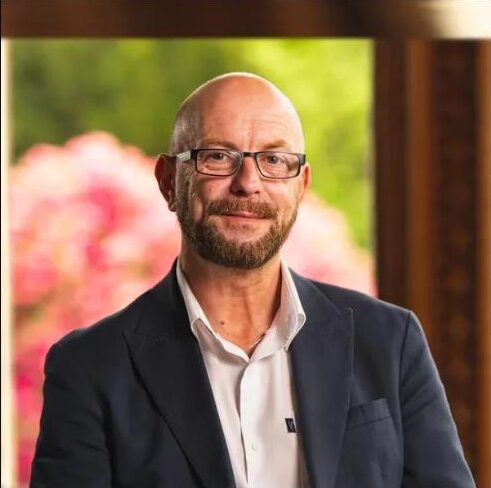
After Recognition has been developed by Jodie Mainstone, an accredited psychotherapist, trainer and EMDR Consultant Supervisor with more than 20 years of clinical experience.
Alongside her professional expertise, Jodie also brings lived experience as a neurodivergent individual and parent. She is joined by John Wilson, Group Therapy Director at Steps Together, whose extensive experience in therapeutic group facilitation helps create a welcoming and supportive environment.
Together, they offer a unique combination of clinical expertise, practical guidance, and genuine understanding throughout the programme.
Evidence-Informed and Trauma-Informed
After Recognition combines evidence-informed practice with trauma-informed principles to ensure participants feel supported throughout their journey.
Many neurodivergent adults have experienced misunderstanding, exclusion, masking, or burnout before receiving recognition. Understanding these experiences through a compassionate lens helps create a safer atmosphere for learning, better mental health, and personal growth.
Rather than rushing participants through a process, each session provides a structured and predictable framework while allowing space for individual experiences and reflection.
Small Groups That Encourage Meaningful Connection
Feeling understood by others with similar experiences can be very powerful. To encourage genuine connection, After Recognition limits each group to a maximum of six or seven participants.
This smaller group size helps participants feel seen and heard without becoming overwhelmed. Sharing is always optional – some people may choose to contribute openly, while others may prefer to listen and reflect. Both approaches are equally valued and respected.
For many neurodivergent adults who have spent years feeling misunderstood, peer support and discovering they are not alone in their journey can be both deeply validating and reassuring.
A Programme Designed for Neurodivergent Individuals
Many neurodivergent individuals hesitate to join group settings because they worry they’ll be expected to participate or behave in a particular way. After Recognition takes a different approach by creating a place that is flexible, accessible, and respectful of individual needs.
Whether someone prefers to move around during sessions, use sensory aids or fidget tools, wear headphones, take breaks when needed, or choose how much they wish to participate, their individual preferences are respected throughout the programme.
What to Expect from the Weekly Neurodivergence Programme
Joining a new programme can feel like a significant step, particularly after a recent diagnosis or period of self-discovery. From the outset, the After Recognition programme aims to help participants feel informed, supported, and comfortable.
Before joining, each participant completes a screening process to ensure the programme is the right fit. This helps the facilitators understand individual needs, discuss any adjustments that may be helpful, and ensure the group setting is appropriate.
Each weekly session follows a consistent structure, providing predictability while exploring a different aspect of neurodivergence. Sessions typically include guided psychoeducation, interactive activities, practical exercises, group discussion, and structured check-ins and check-outs.
Throughout the eight-week schedule, attendees explore topics including:
- Understanding Neurodivergence and Late Recognition
- Sensory Differences
- Cognitive Differences and Executive Functioning
- Communication Differences
- Emotional Experiences and Nervous System Regulation
- Physical Wellbeing
- Strengths, Needs, and Accommodations
- Integration and Moving Forward
Taking part and completing After Recognition is not about reaching a final destination. Instead, it provides a foundation from which participants can continue exploring their identity, advocating for their needs, and approaching the future with greater awareness and understanding of neurodivergence.
Take the Next Step with Us
Recognition can provide answers, but understanding yourself is an ongoing journey. Having the opportunity to reflect, learn, and build relationships with others can make a meaningful difference.
If you or someone you know has recently received an autism or ADHD diagnosis, or has come to recognise themselves as neurodivergent, After Recognition could be a valuable next step. Places are limited to seven per group and cost £1,495, including a screening appointment, eight facilitated sessions, workbooks, handouts, and other resources.
To find out more or to book a screening appointment, contact Sharon Caplan at sharon.caplan@stepstogether.co.uk or call 07904 593812.
Frequently Asked Questions
Do I need a diagnosis?
No. Self-identified neurodivergent adults are welcome.
Do I have to talk?
No. Participation is always your choice.
Is this therapy?
No. It is a psychoeducational and integration programme with therapeutic discussion.
What if I miss a session?
Key psychoeducational material will be provided for the missed session.
How much does the programme cost?
The cost is £1,495. This includes a screening appointment, eight facilitated sessions, workbooks, handouts, and other resources.
What if I change my mind?
Regrettably, once you commit to the programme, we cannot provide refunds. This is because it is a closed group, and so we are unable to use your space for anyone else.