Drinking alcohol while taking mirtazapine and alcohol together is not recommended. Both depress the central nervous system, so the combination can cause heavy sedation, dizziness, blackouts, and slowed reactions. Alcohol also worsens the depression or anxiety mirtazapine is treating. NHS guidance is to avoid alcohol or drink only very lightly, especially in the first weeks of treatment.
> Concerned about your drinking? If alcohol use is starting to feel like part of the problem, our team at Steps Together can help. Call us confidentially on +44 330 053 3962.
What Mirtazapine Is and Who Takes It
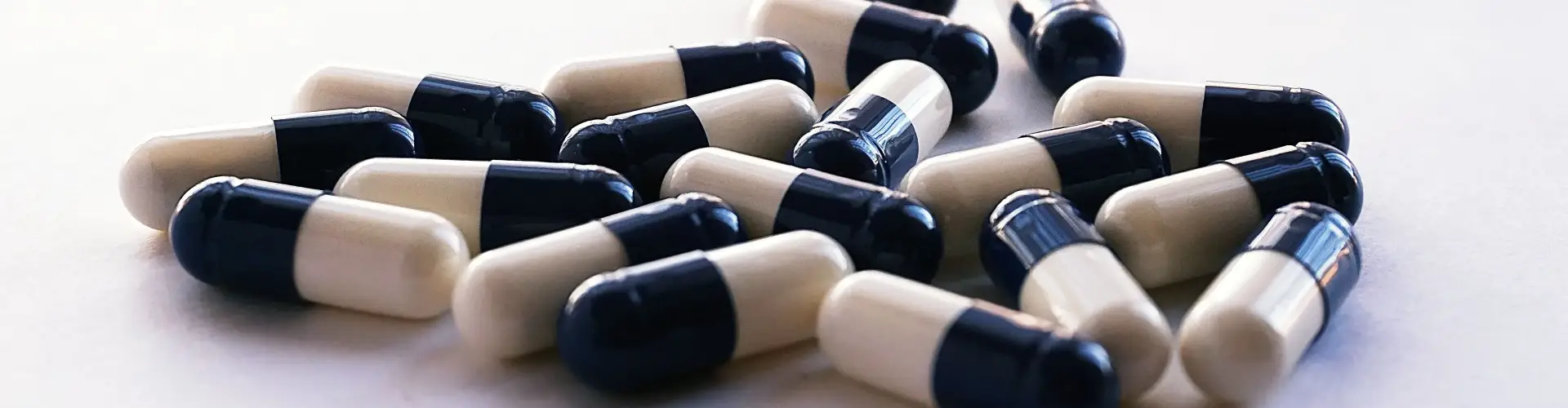
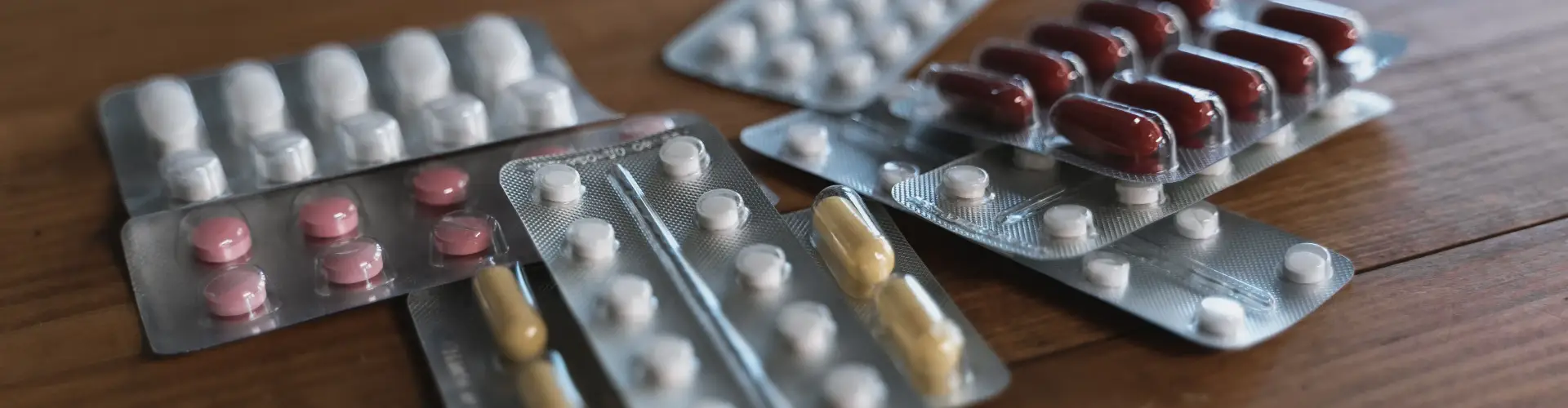
Mirtazapine, sold in the UK as Zispin and elsewhere as Remeron, is an atypical or tetracyclic antidepressant. GPs prescribe mirtazapine to treat depression (specifically major depressive disorder), generalised anxiety, and sometimes off-licence at low doses (7.5-15mg) for sleep. It is a noradrenergic and specific serotonergic antidepressant, which means the effect of mirtazapine is to boost noradrenaline and serotonin while strongly blocking the histamine H1 receptor. Unlike selective serotonin reuptake inhibitors (SSRIs), mirtazapine works on multiple neurotransmitter systems at once. The MHRA Summary of Product Characteristics describes how mirtazapine works on H1 antagonism as the mechanism behind its sedating effect, and it is what makes alcohol especially risky alongside it.
Can You Drink Alcohol on Mirtazapine?
The two main UK sources do not say quite the same thing. The NHS patient page says you can drink alcohol while taking mirtazapine but it may make you feel sleepy and unsteady, and recommends avoiding alcohol for the first few days. The MHRA-approved Summary of Product Characteristics, the regulatory document GPs work from, is more direct: “Mirtazapine may increase the CNS depressant effect of alcohol. Patients should therefore be advised to avoid alcoholic beverages while taking mirtazapine.”
For most healthy adults on a stable dose, an occasional small drink is unlikely to cause a medical emergency. Heavy or daily drinking is a different conversation, and one your doctor or pharmacist will want to have. If you have just started taking mirtazapine, it is best to stop drinking until you know how the medication affects you.
Why Mirtazapine and Alcohol Hit Harder Together
The dangers of mixing mirtazapine and alcohol are about more than feeling tipsy quicker. Lower doses of mirtazapine are often more sedating than higher ones. At 7.5-15mg the H1 antihistamine effect dominates; at 30-45mg increased noradrenergic activation partly offsets sedation (Psychopharmacology Institute). Add alcohol to any dose and both substances slow brain activity through overlapping pathways. Mixing the two produces effects that are more than additive: drowsiness, dizziness, slowed reactions, and at higher alcohol doses, memory blackouts, slowed breathing, and at extreme intake, the risk of overdose. Low-dose mirtazapine prescribed for sleep is not a “gentler” version, and the sedative effects of alcohol still apply.
The Bigger Problem: Alcohol Worsens Depression
Alcohol is itself a central nervous system depressant. According to the Mental Health Foundation, regular drinking lowers serotonin and noradrenaline activity over time, the same neurotransmitters mirtazapine is trying to lift. Even at sub-dependence levels, drinking dampens antidepressant effect. A glass of wine in the evening can feel like relief, then quietly set recovery back. Symptoms of depression often intensify the morning after drinking. Talk to your doctor about alcohol when reviewing your dose; if your drinking has crept up, the antidepressant alone cannot do its job. The UK Chief Medical Officers’ low-risk drinking guideline is no more than 14 units a week, spread over three or more days. Mixing alcohol regularly above that on top of an antidepressant is a yellow flag and can mark the early edge of alcohol abuse.
Sleep, Mirtazapine and Why a Drink Backfires
Many people prescribed low-dose mirtazapine use it for insomnia, and many of those people also drink at bedtime. Mirtazapine improves sleep continuity and largely preserves REM and slow-wave sleep. Alcohol does the opposite. It shortens sleep onset but fragments the second half of the night, suppresses REM, and reduces deep sleep. The combination undermines the sleep benefit your prescription is meant to deliver.
Higher-Risk Situations: Early Treatment, Older Adults, Polypharmacy
Three situations need extra caution.
- Early treatment. In the first weeks of any antidepressant, suicidal thoughts can briefly worsen before mood lifts. NICE guidance NG222 recommends a GP review one week after starting. Alcohol’s disinhibition raises that risk, so abstain in the early weeks.
- Older adults. Sedating antidepressants increase falls risk; alcohol multiplies it (clinical review).
- Polypharmacy. Mirtazapine combined with other CNS depressants such as benzodiazepines, opioids, pregabalin or gabapentin, plus alcohol, can dangerously slow breathing.
What to Do If You Have Already Had a Drink
For one or two drinks in a healthy adult, nothing serious is likely. Drink water, sit somewhere safe, and do not drive. Do not stop mirtazapine because of a single slip. Watch for severe sedation, repeated vomiting, confusion, or breathing difficulty; if any appear, contact NHS 111 or 999. Mention any drinking that has been more than occasional to your GP at your next appointment.
When the Mirtazapine Question Is Really an Alcohol Question
If the part that bothered you was not the prescription but how often you drink, that matters more than the “can I have a glass” question. Depression and alcohol use overlap heavily, and many people on mirtazapine are quietly using a drink to take the edge off without naming it. Alcohol addiction and other mental health conditions tend to fuel each other, which is why dual diagnosis treatment matters more than treating either side alone.
Steps Together is a CQC-regulated UK rehab group with residential centres at Rainford Hall (St Helens), The Chestnuts (Leicestershire) and Bank House (Nottinghamshire). We offer medically supervised alcohol detox, residential alcohol rehab, and dual diagnosis treatment that addresses depression and addiction together rather than treating each in isolation.
Worried about how often you drink?
Speak to our team in confidence
If a drink has become part of how you cope alongside your prescription, our admissions team is here to listen, not to push.
Call us now -> +44 330 053 3962
CQC regulated | Confidential | Free initial conversation
Sources
- MHRA / emc, “Mirtazapine 15mg Tablets: Summary of Product Characteristics” – https://www.medicines.org.uk/emc/product/531/smpc
- NHS, “Common questions about mirtazapine” – https://www.nhs.uk/medicines/mirtazapine/common-questions-about-mirtazapine/
- NICE, “Depression in adults: treatment and management (NG222)” – https://www.nice.org.uk/guidance/ng222/chapter/recommendations
- Drinkaware, “UK low risk drinking guidelines” – https://www.drinkaware.co.uk/facts/information-about-alcohol/alcohol-and-the-facts/low-risk-drinking-guidelines
- Mental Health Foundation, “Alcohol and mental health” – https://www.mentalhealth.org.uk/explore-mental-health/a-z-topics/alcohol-and-mental-health
- Psychopharmacology Institute, “Mirtazapine Guide” – https://psychopharmacologyinstitute.com/publication/mirtazapine-guide-pharmacology-indications-dosing-guidelines-and-adverse-effects-2922/
- Antidepressants and fall risk, clinical review – https://pmc.ncbi.nlm.nih.gov/articles/PMC8149338/
- Alcohol use disorder and sleep architecture – https://pmc.ncbi.nlm.nih.gov/articles/PMC6879503/
Frequently Asked Questions
Can you drink alcohol while taking mirtazapine?
It is not recommended. The MHRA Summary of Product Characteristics states patients should avoid alcoholic beverages because mirtazapine increases alcohol's CNS depressant effect. The NHS leaflet is more permissive but still advises avoiding alcohol in the first few days. Both agree heavy or regular drinking is a problem.
How long after stopping mirtazapine can I drink alcohol?
Mirtazapine has a half-life of around 20 to 40 hours, so most of a dose is cleared within five to eight days. There is no formal UK wait period, but stopping mirtazapine should be done gradually under your GP's guidance. Do not stop the medication just so you can drink.
Does alcohol stop mirtazapine working?
Heavy or regular drinking can dampen mirtazapine's effect on depression. Alcohol is itself a central nervous system depressant and lowers serotonin and noradrenaline activity over time, the opposite of what the medication is trying to do. One drink occasionally is unlikely to undo treatment for a healthy adult.
Why does mirtazapine make me so sleepy on a low dose?
At lower doses (7.5-15mg) mirtazapine's H1 antihistamine effect dominates. At higher doses (30-45mg), increased noradrenergic activation partly offsets sedation. The MHRA SmPC notes dose reduction does not generally reduce sleepiness, which surprises many patients.
Can mirtazapine help with alcohol withdrawal?
No. Mirtazapine is not licensed for alcohol withdrawal in the UK. Alcohol withdrawal can be medically dangerous; never try to manage it without clinical support. Speak to your GP or, for residential care, our team at Steps Together on +44 330 053 3962.
Should I tell my GP I drink while on mirtazapine?
Yes. Above the UK 14 units per week threshold, your GP can adjust your treatment plan, screen for alcohol use disorder, and offer dual diagnosis support. For a confidential conversation, our team at Steps Together is on +44 330 053 3962.