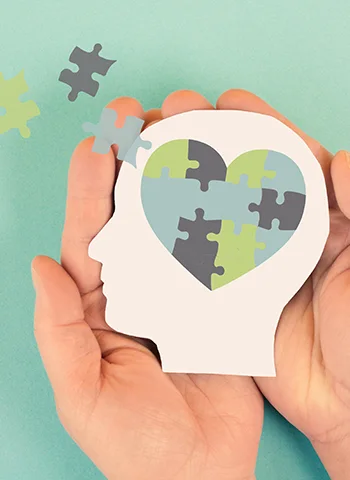

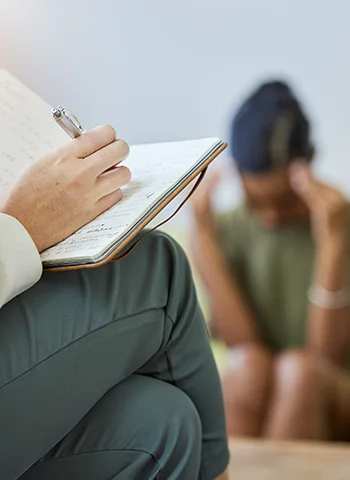
Taking care of yourself isn’t just about hitting the gym, counting calories, or following the latest health trend – it’s about feeling balanced, connected, and mentally present. That’s exactly what World Health Day is all about. It’s a global nudge reminding us that good health goes far beyond the physical.
Your mind, emotions, relationships, and daily habits all play a role in overall health. Think of it like a table: if one leg is weak or neglected, the whole structure wobbles, and stability is lost. True wellbeing requires nurturing every part of ourselves.
Why Celebrating World Health Day Is Important
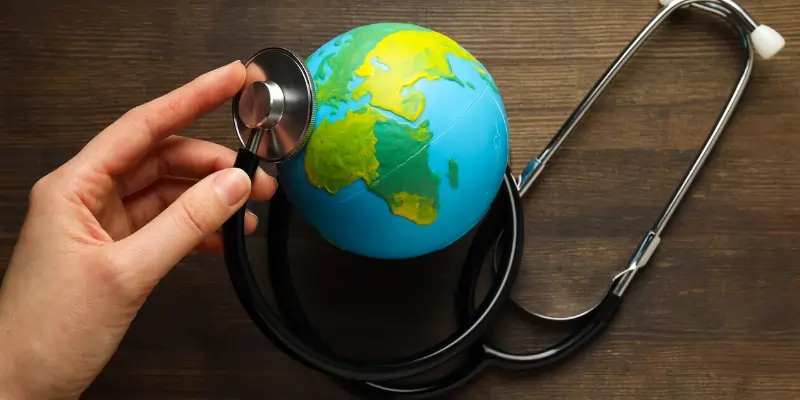
World Health Day, observed every year on 7 April and led by the World Health Organisation (WHO), is a global initiative to raise awareness about health issues affecting people all over the world. It was established in 1950 to mark the founding of the WHO in 1948.
World Health Day encourages individuals, communities, and governments to reflect on the state of public health and take meaningful steps to improve it. Each year’s theme highlights a critical area of focus, guiding campaigns that promote better health for all.
In 2026, the spotlight moves beyond physical wellness to embrace mental health, addiction, and recovery support, underlining that wellbeing is holistic. Good health is not merely the absence of illness but a state of balance where body, mind, and environment interact harmoniously.
Prioritising Mental Health for Everyone
Mental health is often invisible, yet it profoundly shapes how we think, feel, and behave. Conditions such as anxiety, depression, burnout, and chronic stress can disrupt daily routines, affect work performance, and strain relationships.
World Health Day emphasises the importance of normalising conversations about mental health, reducing stigma, and encouraging individuals to seek professional support when needed. Supporting mental health at home, in schools, and at work creates a foundation for healthier communities.
Understanding Addiction and Recovery
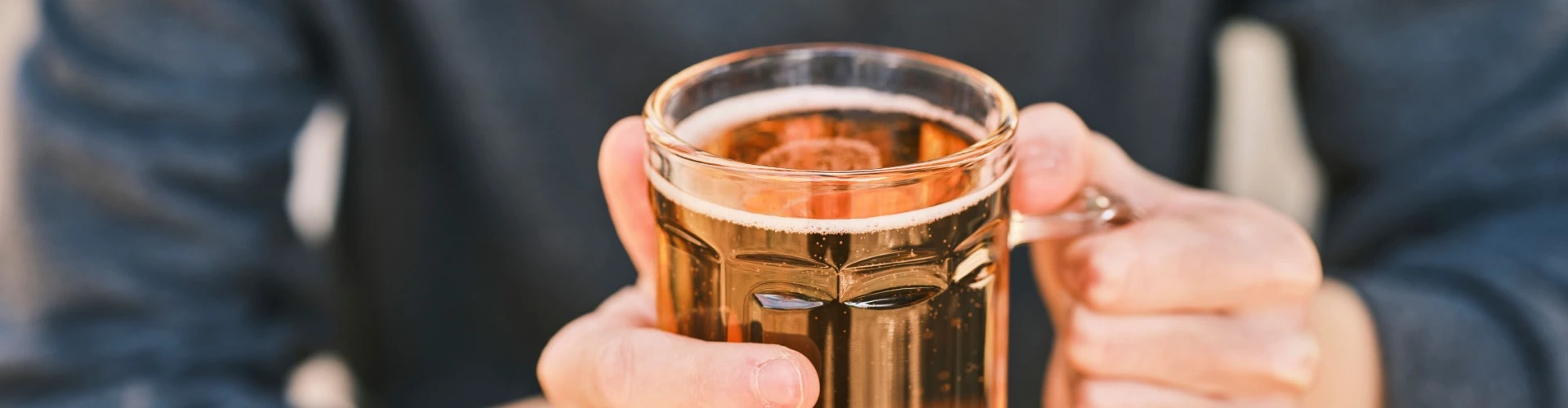
Substance use, misuse, and addiction affect millions worldwide, cutting across age, gender, and socioeconomic status. Recovery can feel daunting without the right resources and guidance.
World Health Day highlights the significance of prevention, early intervention, and compassionate support. Addiction is not a moral failing but a complex health condition, often intertwined with mental health issues. Recovery is a journey that thrives on community, access to evidence-based care, and ongoing encouragement.
Encouraging Healthy Lifestyles
While mental wellbeing and recovery are crucial, physical health remains a cornerstone of overall wellness. A balanced diet, regular exercise, adequate sleep, and effective stress management promote resilience, energy, and immunity.
World Health Day serves as a reminder that taking care of our bodies is just as important as nurturing our minds. Approaching physical health with self-compassion and consistency, rather than perfectionism, makes healthy habits sustainable and rewarding.
Getting Involved in The World Health Organisation Campaign
Everyone can take part in World Health Day 2026. Small actions, when shared across communities, can spark meaningful change. By focusing on both personal health and community engagement, you can make a lasting impact on yourself and the lives of those around you.
1. Connect with Loved Ones
Even a simple conversation can be life-changing. Building and maintaining strong social connections supports emotional health and resilience. Families, friends, and peers play a vital role for those in recovery, reinforcing that health is both individual and collective.
2. Expand Your Knowledge
Understanding mental health, addiction, and recovery strategies equips you to support others and make informed choices for yourself. Learning about these topics also helps reduce stigma and fosters empathy, creating a culture where health is valued and shared.
3. Prioritise Self-Care
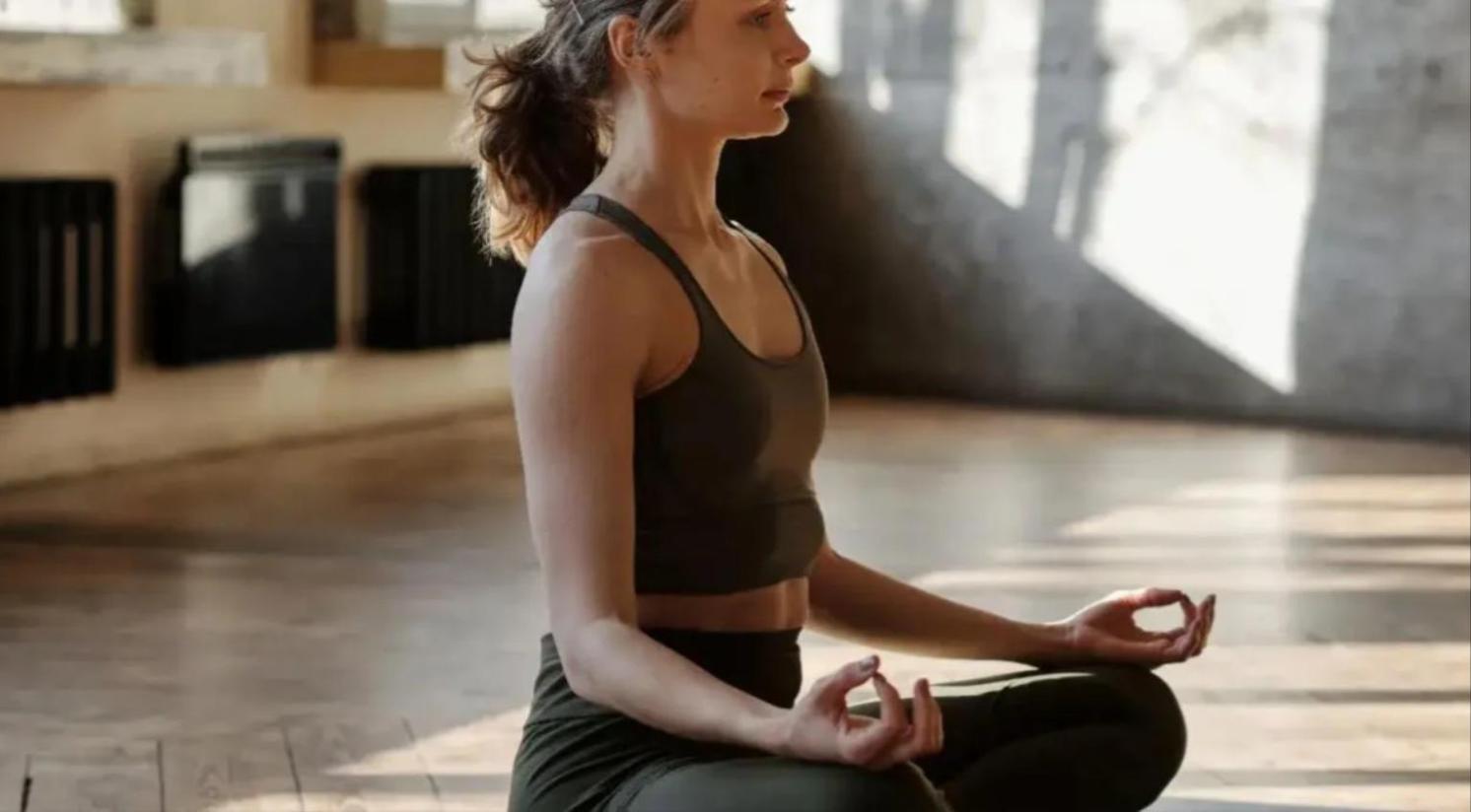
Taking care of yourself strengthens your ability to face life’s challenges. Engage in regular physical activity that you enjoy, nourish your body with healthy foods, and practice mindfulness to manage stress. By prioritising self-care, you build resilience and maintain balance in your daily life.
4. Raise Awareness
Sharing accurate health information inspires others to take action. Highlight stories of recovery and support campaigns run by the WHO or local health organisations. Amplifying these messages strengthens understanding and encourages community-wide engagement.
5. Foster Community Engagement
Organise activities that promote collective wellbeing. Workshops, group meditation sessions, and discussions on mental health and recovery create supportive spaces. Volunteering with local health organisations allows you to contribute directly to community health.
The Role of Professional Support in Lifelong Health
Recovery from addiction or mental health challenges is rarely linear, and professional guidance plays a crucial role. Patience, consistency, and access to health services and appropriate resources help individuals maintain progress and build lasting stability.
Evidence-based therapy, counselling, and structured rehabilitation programmes provide practical tools and strategies for managing mental health challenges, addressing substance use, and reinforcing coping skills. Accessing professional support reduces the risk of relapse and transforms recovery from a temporary goal into a sustainable part of daily life.
Recovery and mental health also affect those around us. Families, friends, workplaces, and communities benefit when individuals receive proper care and support. Viewing health as an interconnected system lays the foundation for a healthier, more fulfilling life.
Self-Help Tools for Promoting Good Health and Wellbeing
Caring for your health is an ongoing practice. While professional support is essential, self-help tools can empower you to build resilience and support recovery. Consider incorporating these strategies into your routine:
- Journaling – Reflect on your thoughts and emotions to identify patterns and track triggers.
- Mood & Habit Tracking – Monitor changes in sleep, exercise, diet, or daily milestones.
- Stress-Relief Techniques – Practice deep breathing or relaxation exercises regularly.
- Goal Setting – Set realistic goals and celebrate small achievements to maintain motivation.
- Creative Outlets – Engage in art, music, or other activities to manage emotions and reduce stress.
These practical tools complement professional care and encourage an active role in supporting your wellbeing, recovery, and overall health.
Celebrate World Health Day 2026 with Steps Together
World Health Day 2026 reminds us that good health encompasses physical, mental, and emotional wellbeing. By linking mental health, addiction, and recovery support with everyday wellness, we can foster compassionate communities where everyone has the chance to thrive.
From checking in on a friend to volunteering in health programmes or practising mindful self-care, every action matters. At Steps Together, we offer inpatient and outpatient support services to help you or a loved one effectively move toward lasting healing.
This April 7th, let’s celebrate health in all its forms and commit to supporting a world where good health is within reach for everyone.