


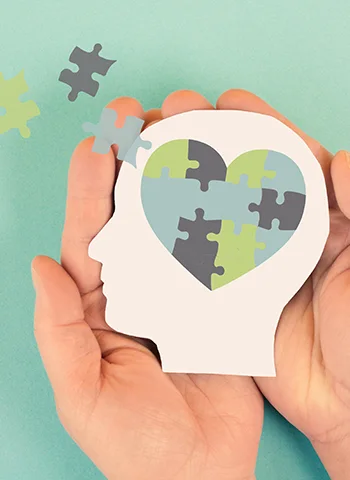


As the International Day of Happiness approaches, people around the world may find themselves reflecting on what happiness truly means. Not the picture-perfect version often portrayed online, but the quiet, steady kind that feels genuine and enduring – even when no one is watching.
Happiness is not reserved for special occasions. It is built through small, meaningful moments that often go unnoticed. As you continue reading, you will discover simple, heartfelt ways to nurture happiness in your own life and in the lives of those who matter most.
All About the International Day of Happiness
The International Day of Happiness is a global awareness initiative that invites individuals, communities, and organisations to reflect on what it truly means to live well. It highlights the importance of happiness and small acts of kindness in everyday life. While happiness is often depicted as constant positivity or outward success, the reality is far more nuanced.
Sustainable happiness is rooted in emotional balance, meaningful relationships, purpose, and strong mental health. Although it may hold different meanings for each person, the campaign encourages us to view happiness not as a fleeting emotion but as a long-term outcome of healing, resilience, and support.
The International Day of Happiness is celebrated every year on 20 March and was established by the United Nations General Assembly in 2012. The annual event recognises happiness and wellbeing as universal human goals and encourages countries to prioritise mental wellness, social connection, and quality of life alongside economic growth.
The Relationship Between Happiness and Mental Health
While the term “happiness” may sound simple, it encompasses a broad spectrum of experiences, including life satisfaction, emotional stability, and a sense of belonging. The International Day of Happiness serves as a reminder that wellbeing is multidimensional.
Experiencing positive feelings can reduce stress. However, happiness does not mean the absence of struggle. People living with anxiety, depression, trauma, or addiction may still experience moments of joy while managing significant challenges.
For many individuals, addiction develops as a coping mechanism for distress or emotional pain. While substances such as alcohol or drugs may create temporary ease or euphoria, over time, dependence can undermine emotional regulation and overall mental health.
What may begin as an attempt to feel better can ultimately decrease happiness and quality of life. Rather than pursuing constant pleasure, sustainable happiness involves resilience, connection, and the ability to cope with life’s inevitable ups and downs.
Understanding the Impact of Addiction on Wellbeing
Addiction can significantly disrupt both physical and mental health, often diminishing a person’s overall sense of happiness and fulfilment. Over time, substance misuse may also affect relationships, finances, and self-esteem. Individuals may feel trapped in recurring cycles of guilt, secrecy, and dependence.
On the International Day of Happiness, it is important to acknowledge that people struggling with addiction are not lacking motivation or character strength. They are experiencing a complex condition that affects brain chemistry and behaviour, requiring compassion and structured support.
Professional recovery services provide evidence-based programmes to address both substance use and underlying mental health conditions. By identifying the root causes of addiction, individuals can begin restoring hope and creating pathways towards renewed happiness.

Reframing Happiness During Recovery
For individuals navigating addiction recovery or mental health challenges, happiness may feel distant or even unattainable. Yet healing is not simply about eliminating harmful habits or achieving immediate joy – it is about creating a life that feels stable and fulfilling.
Early recovery can involve withdrawal symptoms, emotional fluctuations, and confronting unresolved trauma. While healing takes time and patience, it also offers an opportunity to redefine happiness. Instead of relying on addictive substances or self-destructive behaviours, individuals learn healthier coping strategies and begin to cultivate a more positive mindset.
Peer support and structured treatment programmes provide tools to manage stress, strengthen relationships, and rediscover purpose. In this way, the International Day of Happiness reflects the same principles as recovery. It emphasises that sustainable wellbeing often develops from guidance, personal growth, and meaningful change.
Celebrate the International Day of Happiness 2026
Marking International Happiness Day in 2026 provides a valuable opportunity to promote emotional wellness and prioritise what truly brings you happiness. While awareness days cannot resolve systemic challenges alone, they can spark important conversations and encourage practical steps towards improved mental health and long-term wellbeing.
Small Actions That Strengthen Resilience
Promoting happiness does not require grand gestures. In fact, lasting happiness grows from simple, intentional actions that support emotional balance, such as:
- Setting realistic goals
- Engaging in regular physical activity
- Prioritising positive social connections
- Practising gratitude and self-reflection
- Seeking professional support when needed
These behaviours strengthen psychological resilience and support mental health. For individuals in recovery, achievements such as attending therapy sessions, reaching sobriety milestones, and reconnecting with family can contribute to an increasing sense of stability and hope.
Supporting Others on Their Journey
Celebrating International Day of Happiness also means spotlighting collective responsibility. Families, employers, and communities all play a role in creating environments where happiness can flourish. Reducing stigma around addiction and mental health is one of the best ways to ensure people feel safe to seek help.
Compassionate conversations, flexible workplace policies, and access to counselling services all contribute to a healthier society. Recognising that happiness is shaped not only by individual effort but also by strong social support systems reinforces the need for inclusive, recovery-informed approaches.
What Is the Key to Lasting Happiness?
While short-term pleasure can provide momentary relief, lasting fulfilment develops through inner stability, emotional strength, and a clear sense of direction. Happiness does not need to be a constant state of excitement or bliss. Instead, it is a balanced experience that allows space for life’s highs and lows.
Emotional Regulation: Building Inner Stability
One of the key elements of sustained happiness is emotional regulation. This involves recognising and managing emotions, understanding triggers, and responding in constructive, healthy ways. Therapy can play an important role in developing these skills and deepening self-awareness.
In addiction recovery, emotional regulation is especially important. Substances often suppress or numb underlying feelings such as fear, shame, or sadness. Through structured treatment and counselling, individuals learn to process emotions safely without relying on harmful coping mechanisms.
Purpose and Direction: Creating Meaningful Change
Research shows that a strong sense of purpose is closely linked to improved mental health. Having direction in life is associated with lower levels of stress, depression, and anxiety. Purpose may emerge through relationships, career progression, volunteering, creativity, or personal growth.
Recovery programmes often incorporate goal-setting and life-skills development. As stability increases, people can shift from merely surviving to actively creating a life that feels meaningful. This transition is fundamental to experiencing authentic, sustainable happiness.
Connection and Community: Strengthening Belonging
Human beings are inherently social. Prolonged isolation can intensify mental health challenges and increase the risk of relapse. Connecting with others fosters a sense of belonging, accountability, and shared understanding – all of which reinforce emotional security and gradually rebuild confidence.
Group and family therapy sessions help restore trust and strengthen supportive relationships. Ongoing aftercare provides continuity and reassurance throughout recovery, enabling individuals to maintain progress and support long-term stability.
Integrated Treatment: Addressing the Whole Person
For many individuals, achieving long-term happiness requires more than self-care alone. Seeking professional treatment addresses both substance dependence and co-occurring mental health conditions, ensuring that recovery is comprehensive and sustainable.
Steps Together provides personalised treatment pathways designed to support happiness and healing. Through therapeutic interventions, residential and outpatient programmes, and holistic approaches, clients receive tailored care aligned with their individual needs and recovery goals.
Rediscovering Joy on the International Day of Happiness
The International Day of Happiness is a time to reflect on what truly helps us feel happy and content. This special day also reminds us that true wellbeing is not about perfection or relentless optimism, but about balance, resilience, and access to the right mental health support.
If you or someone you care about is struggling, help is within reach. Steps Together provides compassionate, specialist addiction treatment alongside individualised care plans designed to support lasting healing and recovery.
Reach out today to learn how dedicated, expert guidance can help you build a healthier, more stable, and genuinely happier life.